Spring garden-maxxing tips
/
Spring is always the most exciting time of year for me, especially when melting snow reveals a landscape full of potential! With some simple maintenance, you can maximize your garden’s beauty and productivity throughout summer and into fall.
Clean up perennials
When spring finally arrives after a long winter, I seek immediate gratification in bed… the perennial bed. Tending to perennials is one of my favourite spring tasks, and one of first things I like to tackle. Seeing new buds and sprigs of green peeking out of the earth is both cathartic and therapeutic.
After the snow melts and the ground dries a little, rake leaves and debris away from plant bases. You’ll probably notice some bulbs beginning to emerge, as well as ladybugs which are also beginning to wake up — sure signs of spring!
Cut back perennials left to grow last fall — things like the ornamental grasses and coneflowers. The sturdy stems that looked great covered with winter’s hoar frost are brown and brittle now.
Don’t cut perennials back too much! Cut a couple of centimeters above the plant’s crown to prevent damage.
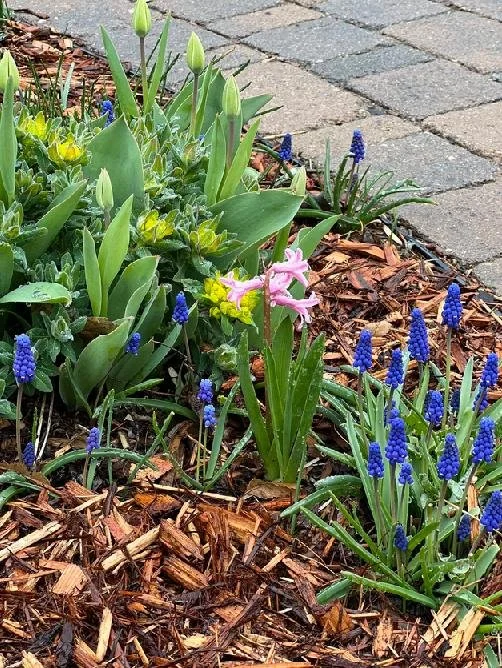
This is also a great time to thin and divide perennials taking more than their fair share of space. Although ripping plants apart may seem brutal, for some perennials, like irises, bee balm and coneflowers, this rejuvenates and helps them thrive. In addition to making room in your own flower beds, split perennials also make great gifts, (and/or additions to the Perennial Plant Exchange)!
Most plants tolerate spring division, but the general rule is to divide summer-flowering plants in the spring, and divide spring-flowering plants in the fall.
Once you’ve cleaned up your perennials, spread fresh mulch to top off your flower beds. Mulch conserves soil moisture, protects roots during the heat of the summer, keeps weeds at bay, and makes the colours of your blooms pop.
Prune shrubs and trees
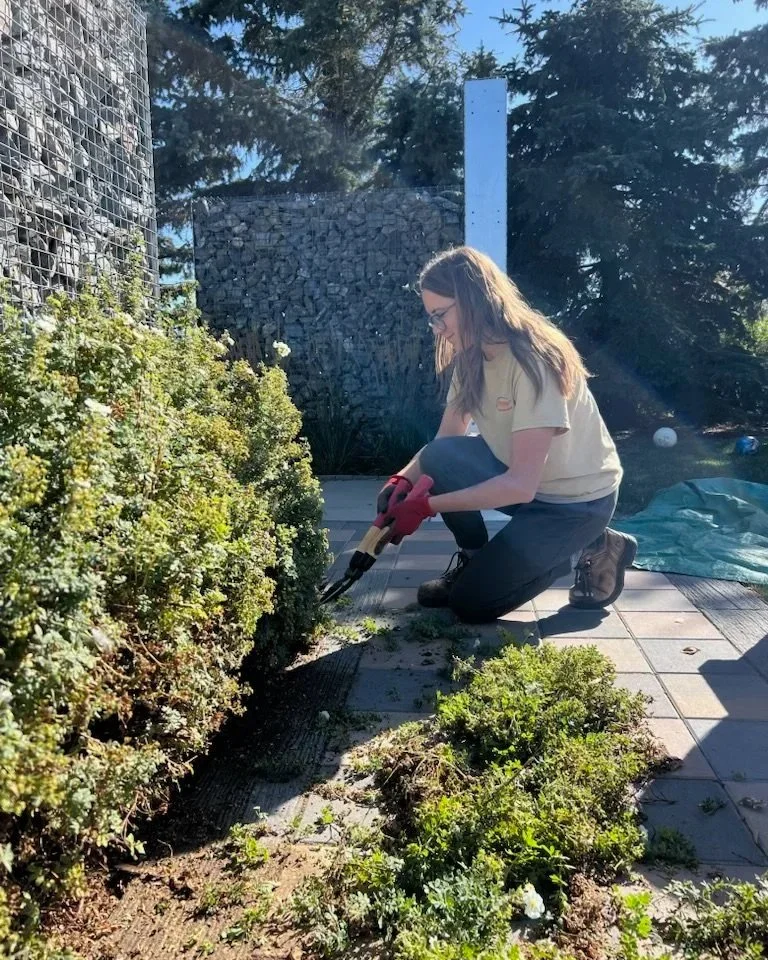
Spring is a great time to prune most shrubs and trees! With the warmer temperatures and more sunlight, sap begins to flow and buds begin to swell. The bare branches give an overall view of woody parts, making proper pruning easier.
At this point, you should also be able to tell which branches have winter die-back (they will snap and break, not bend) and need to be removed. Keep in mind, however, that not all trees and shrubs should be pruned in spring. Shrubs like lilac, mock orange, forsythia, and white-flowering spirea bloom from buds set in the fall, so pruning them in the spring will remove their flowers. In cases like this, pruning can be done after they are finished blooming.
Trees like birch and maples have a very heavy sap flow in the spring, so pruning will cause them to bleed. Prune these trees in July when they’re fully leafed-out. When it comes to pruning, though, it’s important to know the limits of your capabilities. Some pruning should be left to professional arborists, especially when dealing with large trees.

Prep vegetable garden
Our gardening season in southern Alberta is short enough, so don’t waste time when it comes to prepping your veggie garden!
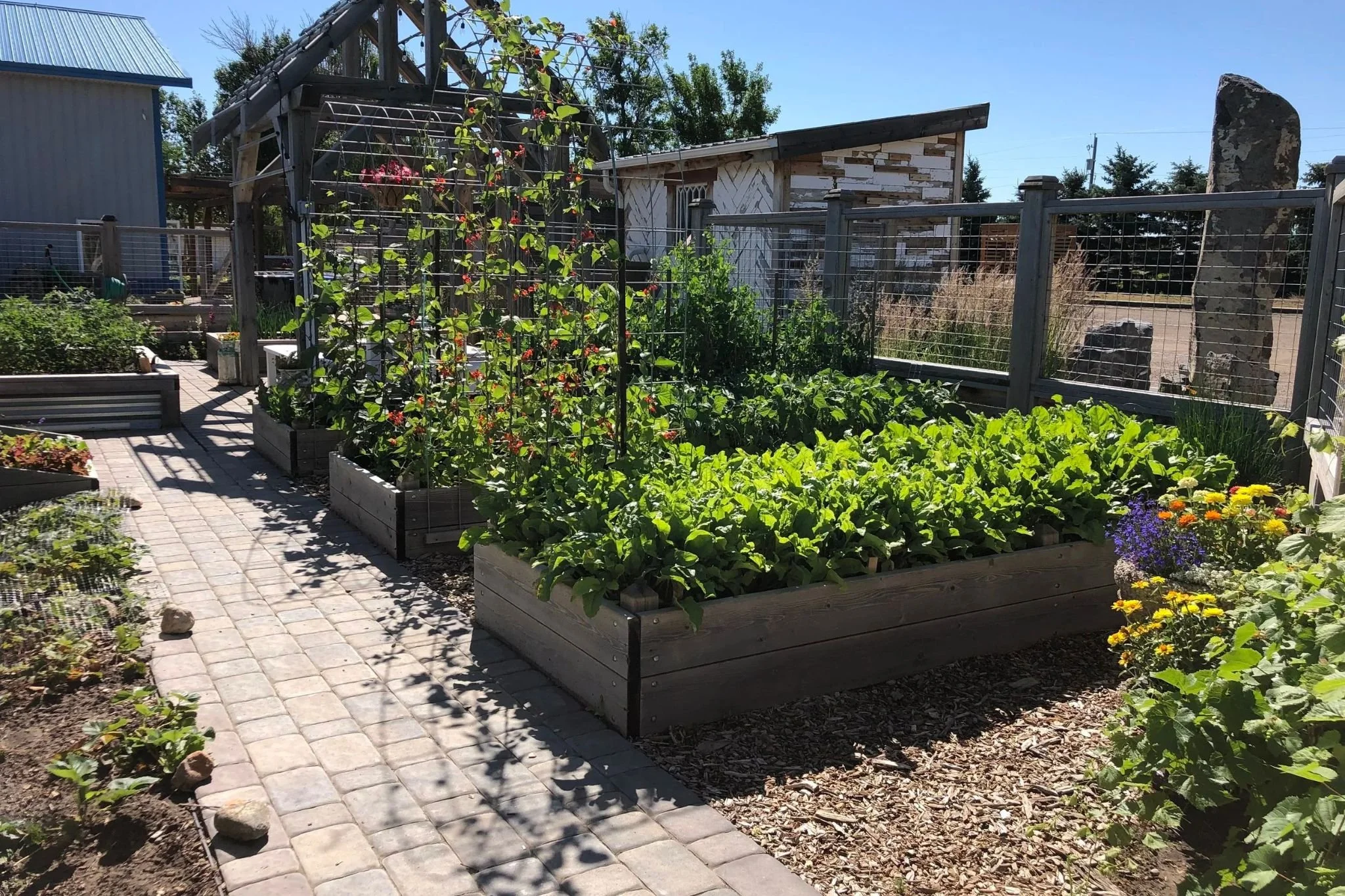
When the snow melts away for the fourth or fifth time in the spring and the frost begins to come out, add compost to your garden plots and work it into the soil. This will add necessary nutrients to the soil for the plants to utilize as they grow, but it will also loosen your garden soil and promote soil drying and warming.
Some vegetables such as spinach, lettuce, radishes, and Swiss chard can be seeded early, as they don’t mind the cooler soil temperature and can withstand some light frost that might yet come. Remember, the sooner those seeds are sewn, the faster you’ll be able to enjoy fresh produce from your own garden.
Some other things that you can do in your vegetable garden to prepare for spring is build those garden structures you dreamt about all winter. Now is a great time to build raised planters, garden trellises, and obelisks that will help your gardening season be more productive and enjoyable.
Rake & aerate lawn
Your lawn will be one of the first things to green up this spring, but there are some things you can do to ensure that it continues to stay green, even well into the summer heat.
Raking your lawn will remove the thatch left behind from last year’s mowing and clean up any debris left behind by the mice who tunneled below the snow drifts over winter. A regular rake will often do the trick for this, but occasionally you may want to use a power rake to ensure that the deep-down thatch is being removed. While you’re renting or hiring out a power rake, you may want to also consider aerating your lawn.
Again, it’s not necessary to do this every year, but if your lawn is prone to compaction or experiencing dry patches during the summer, aerating may be beneficial. Also use this time to top-dress your lawn with a mixture of compost and sand. Not only will the mix penetrate the holes left by the aerator bringing nutrients to the roots, it will also fill low spots or unevenness at the surface of your lawn.
These are just a few things that you can do to get your landscape ready for the growing season. A little work now will go a long way to ensure that you’ll be able to enjoy a successful yard this season. Besides, what better way to send the winter blues packing for another year than to get your fingernails dirty again in the garden.